

Why Movement Matters
When we communicate, we naturally pay attention to words. But communication is also something people see.
How we stand, where we look and how we move all form part of the way we communicate with others.
Movement can provide information that words alone may not reveal. But understanding movement is not about assigning a fixed meaning to a single gesture. It requires looking at patterns, combinations and integrations of movement—how different aspects of movement work together rather than in isolation.
This is why movement matters.
Despite its importance, body movement is often given less attention than content and verbal delivery in presentation training.
Without clear principles for understanding movement, presenters may struggle to:
■ Appear authentic and credible.
■ Maintain audience attention.
■ Adapt their delivery to different situations.
■ Use gestures that reinforce—rather than contradict—their words.
This can affect how engaging, persuasive and aligned with their intended purpose a presentation may appear.




How Laban Movement Analysis (LMA) Changes This
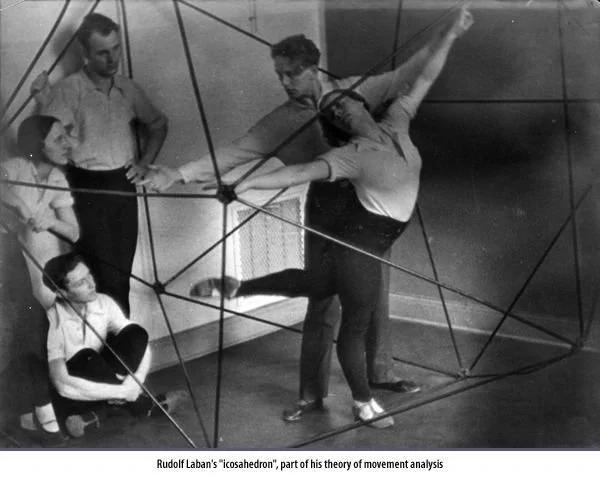
Laban Movement Analysis provides a systematic framework for observing and describing human movement.
It examines:
■ How the head, torso, arms, and legs move.
■ How weight efforts are used.
■ How gestures are shaped and phrased.
■ How movement reflects intention and emotional tone.
Through LMA, we see not only what a speaker says, but how they embody their message.
When movement supports the purpose of a message, physical delivery and verbal communication can feel more aligned. When they do not align, the audience may experience the message differently from the way the presenter intended.
AI People Reader Presenter Analysis™ , built using the principles of Laban Movement Analysis , reflects:
■ Your movement patterns.
■ The alignment of your physical expression and your verbal message.
■ Your ability to enhance presence and audience connection.
■ How persuasive, memorable, and true to your intentions your presentations are.
From Movement Awareness to Presenter Analysis
This principle is at the heart of AI PEOPLE READER Presenter Analysis.
Presenter Analysis focuses specifically on presentation delivery, helping make aspects of your movement visible through structured analysis across 6 categories:
Eye Contact • Uprightness • Stance • Engaging Level • Confidence Level • Authority Level